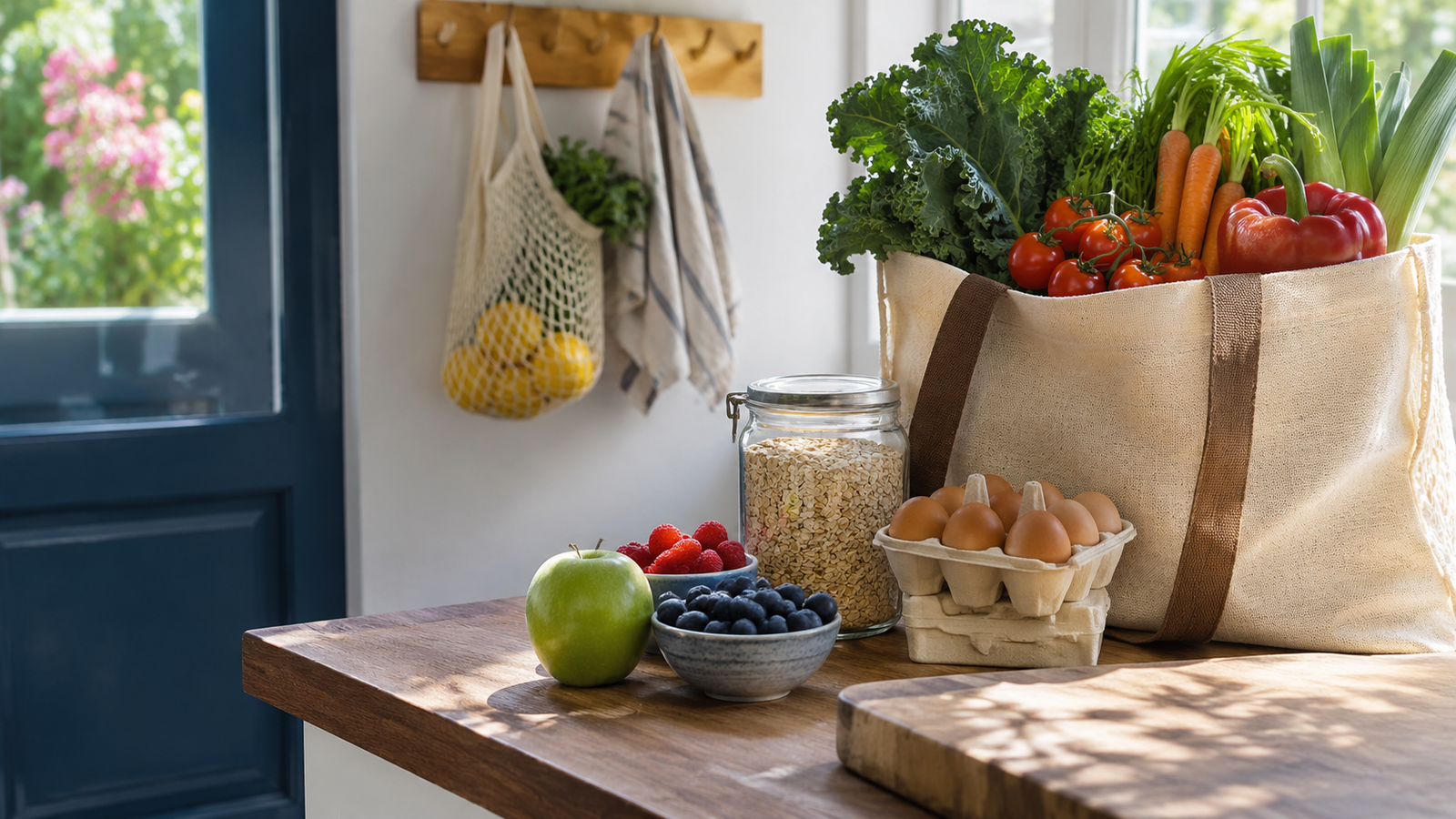
You buy a bag of spinach with the best intentions. A few days later, it is still in the fridge. The carrots are untouched, the broccoli has seen better days, and dinner is whatever you can make in ten minutes.
Sound familiar?
Learning how to eat more vegetables is rarely about knowing that vegetables are good for you. Most of us already know that. The difficult part is making them convenient enough to eat on ordinary days, especially when work runs late or you simply do not feel like cooking.
The good news is that you do not need to become a salad person, follow a complicated meal plan, or suddenly love every vegetable. You need a few easy options that fit the food you already enjoy.
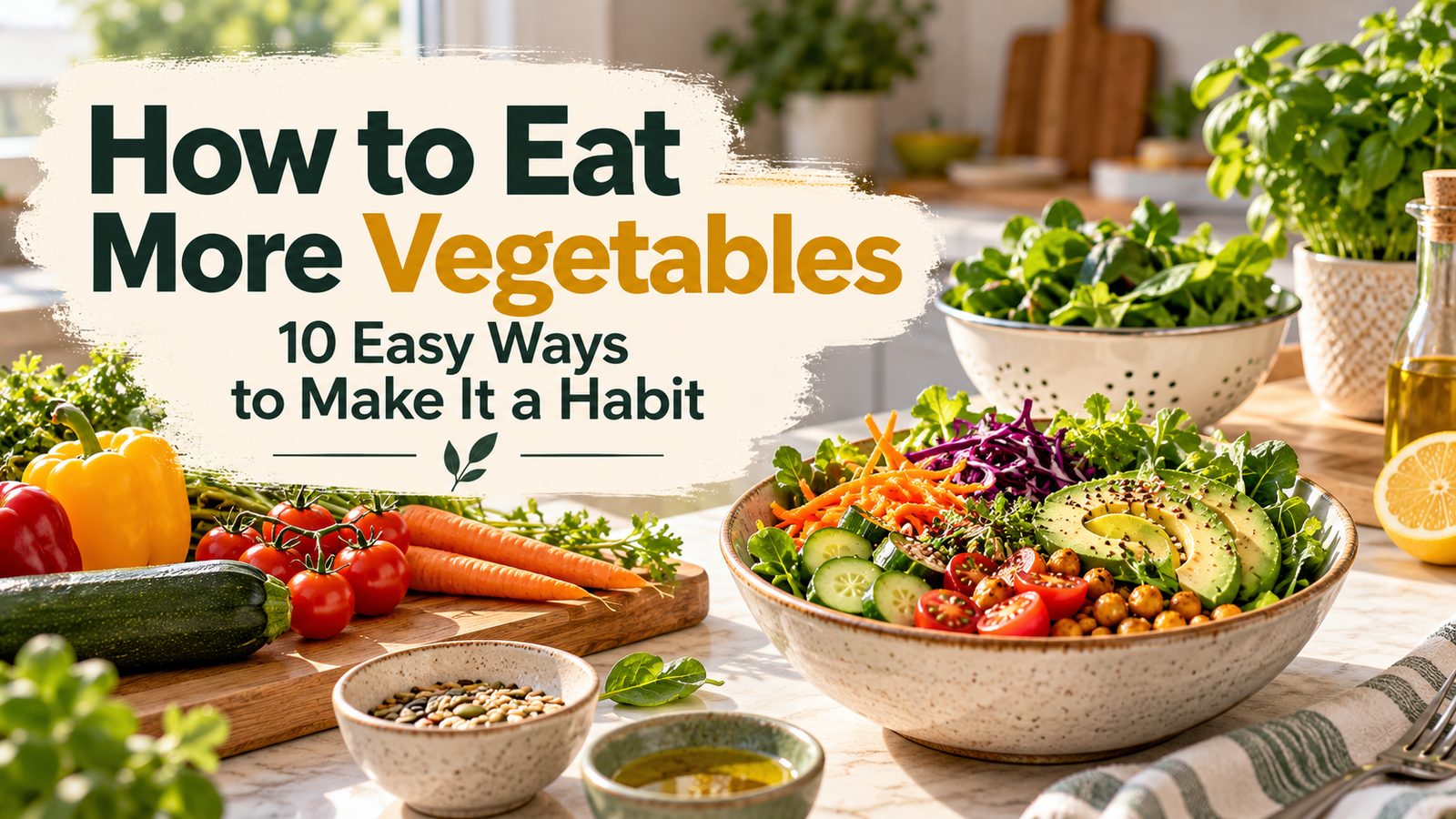
Here are ten practical ways to make vegetables a normal part of your routine.
How to Eat More Vegetables Without Overthinking It
Start by making one meal a little more colorful. Add tomatoes to your sandwich, frozen peas to your rice, or sliced peppers beside your eggs. Those small additions count.
Vegetables provide fiber, water and a range of vitamins and minerals. Eating a variety over time is useful, but no single vegetable has to appear on your plate every day. For a practical visual approach, see the USDA MyPlate vegetable group guidance, which includes fresh, frozen, canned and dried options.
If you are working on a more balanced approach to eating, our guide to building a balanced plate explains how vegetables can fit alongside protein, grains and other satisfying foods.
A Simple Routine Beats a Perfect Diet
Trying to improve your meals? Start with one vegetable you actually enjoy and add it to a meal you already eat. You can build from there.
If you are also exploring a structured eating routine, our Feel Great overview explains how Unimate and Balance may fit alongside everyday habits. Supplements do not replace vegetables or balanced meals.
Disclosure: Routine Made Simple is operated by an independent Unicity distributor and may receive compensation through product links.
1. Add Vegetables to a Meal You Already Make
Do not start with a completely new recipe. Start with a meal you could practically make with your eyes closed.
- Scrambled eggs? Add spinach, mushrooms or tomatoes.
- Pasta? Stir zucchini, peas or chopped peppers into the sauce.
- Sandwich? Add cucumber, lettuce or grated carrot.
- Rice bowl? Mix in frozen vegetables while the rice finishes cooking.
The meal stays familiar, but it contains more vegetables. This is often easier to maintain than promising yourself a different salad every lunchtime.
2. Keep Frozen Vegetables in the Freezer
Frozen vegetables are one of the easiest ways to remove the biggest obstacles: washing, chopping and worrying about food spoiling.
Frozen broccoli, spinach, peas, green beans and mixed vegetables can go straight into soups, stir-fries, pasta sauces or a pan beside your main dish.
Frozen vegetables can be nutritious and practical. Choose plain varieties when you want control over added salt, sauces or seasonings.
Try this tonight: Heat a handful of frozen green beans with olive oil, garlic and black pepper. You have a simple side dish in minutes.
3. Prepare One Vegetable Right After Shopping
You do not need a Sunday meal-prep marathon. Just prepare one thing.
Wash a few carrots, slice a cucumber or cut bell peppers into strips. Store them safely in a covered container in the refrigerator so they are easy to grab.
When vegetables are ready to eat, choosing them takes less effort. That matters when you are hungry and deciding between something convenient and something that requires another fifteen minutes of work.
Start with an amount you are likely to eat within a few days, rather than preparing so much that it goes to waste.
4. Make Vegetables Taste Better
If your main experience with vegetables is plain, overcooked broccoli, it makes sense that you are not excited about eating more.
Try roasting carrots, cauliflower or zucchini with a little olive oil and your favorite seasonings. Add lemon juice to cooked greens. Toss tomatoes with herbs. Serve raw vegetables with hummus or a yogurt-based dip.
There is no rule saying vegetables have to be bland to be healthy.
Easy flavor combinations:
- Broccoli + olive oil + garlic + lemon
- Carrots + smoked paprika + black pepper
- Tomatoes + basil + a little olive oil
- Cucumber + yogurt + dill
Experiment until you find two or three combinations you genuinely look forward to eating.
5. Use Vegetables to Make Familiar Meals More Filling
Vegetables can add volume, texture and fiber to meals. That can help make a plate feel more substantial, although satisfaction also depends on adequate protein, fat and overall food intake.
Try adding mushrooms and grated zucchini to a pasta sauce, peppers to a bean chili, or shredded cabbage to a rice bowl.
You do not need to remove pasta, potatoes or bread to make room for vegetables. Think about what you can add, rather than what you must eliminate.
This approach fits the broader goal of building meals that are enjoyable and realistic, not just impressive in a photograph.
6. Choose Two Easy Vegetables for the Week
Buying eight different vegetables sounds ambitious. It can also lead to a refrigerator full of forgotten produce.
Instead, choose two versatile options for the coming week. For example:
- Bell peppers: use in sandwiches, omelets, salads and stir-fries.
- Carrots: eat raw, roast as a side dish or add to soup.
Next week, try a different pair. Over time, you can build variety without making every shopping trip a complicated project.
Seasonal and locally available vegetables can be especially useful when you want better flavor and value.
7. Make a Five-Minute Vegetable Side Dish
A vegetable side does not have to be a separate recipe with twelve ingredients.
Try one of these quick combinations:
- Sliced tomatoes with olive oil and oregano
- Cucumber with lemon juice and a pinch of salt
- Microwaved frozen peas with herbs
- Bagged salad leaves with a simple dressing
- Grated carrots with lemon and yogurt
Pick a default side you can prepare almost automatically. When dinner is ready, add it without debating what else to cook.
8. Add Vegetables to Lunch Before Worrying About Dinner
Dinner is often the busiest meal of the day. If that is true for you, work on lunch instead.
Add tomato and cucumber to a wrap, spinach to an omelet, or a side salad to leftovers. If you bring lunch to work, pack a small container of ready-to-eat vegetables beside it.
One reliable lunchtime habit may be easier than trying to redesign every dinner your family eats.
The goal is repetition. As we discuss in 7 Ways to Build Healthy Habits That Last, a manageable action you repeat is more useful than a perfect plan you abandon after three days.
9. Keep Convenient Options for Busy Days
Fresh vegetables are great, but they are not the only option.
Depending on the dish, you can use canned tomatoes, jarred roasted peppers, frozen spinach or prewashed salad mixes. Look at labels if you are watching sodium or added ingredients.
These options can save time and reduce food waste. They also make it easier to add vegetables when you have not been shopping recently.
A practical pantry meal: Simmer canned tomatoes with beans, frozen spinach and herbs. Serve with rice or toast. It is simple, flexible and made mostly from ingredients you can keep on hand.
10. Stop Expecting Every Vegetable to Be Your Favorite
You do not need to enjoy kale, celery or Brussels sprouts just because someone online says you should.
If you like carrots, tomatoes, peppers and peas, start there. Try new vegetables occasionally, prepared in different ways, but do not turn eating into a daily test of willpower.
Some vegetables taste completely different roasted, steamed or eaten raw. You may discover a preparation you prefer. And if you do not, there are plenty of other options.
Consistency becomes easier when your meals include foods you actually like.
What About Vegetable Portions?
There is no need to measure every carrot or weigh every salad leaf.
As a broad visual guide, you can aim to include vegetables on a substantial part of your plate at some meals, alongside protein and other foods. This is a flexible planning tool, not a strict requirement.
Different public-health organizations offer daily fruit and vegetable recommendations, which vary by country and individual needs. The World Health Organization healthy diet guidance recommends at least 400 grams of fruits and vegetables combined per day for people older than ten, but you do not have to reach that overnight.
If you currently eat very little, adding one serving regularly is meaningful progress. Increase gradually if a sudden jump in fiber causes bloating or discomfort.
For a visual approach to everyday meals, revisit our balanced plate guide.
Adding Vegetables While Intermittent Fasting
If you follow a 16:8 or similar eating window, you can use the same strategies. Vegetables belong in your meals during the eating window; you do not need a special fasting vegetable plan.
For example, if you eat lunch around noon and dinner in the early evening:
- Lunch: eggs, whole-grain toast, tomatoes and cucumber.
- Dinner: fish or beans, potatoes and roasted vegetables.
These are examples, not prescribed meals. Eat enough to meet your nutritional needs, and remember that intermittent fasting is not suitable for everyone.
For beginners, our guide to starting intermittent fasting explains how to approach eating windows without unnecessary pressure.
A Simple Seven-Day Vegetable Challenge
Want to turn these ideas into something practical? Try this one-week experiment:
- Monday: Add tomato or spinach to a meal you already make.
- Tuesday: Cook one frozen vegetable as a side.
- Wednesday: Prepare a small container of ready-to-eat vegetables.
- Thursday: Roast a vegetable with a seasoning you enjoy.
- Friday: Add vegetables to pasta, rice or a sandwich.
- Saturday: Try one new vegetable or a new cooking method.
- Sunday: Choose two vegetables to keep on hand next week.
You do not need to complete every day perfectly. The point is to discover which options fit your real schedule.
Frequently Asked Questions
What is the easiest way to eat more vegetables?
Add a vegetable you already like to a meal you already eat. Frozen vegetables, prewashed greens and simple raw sides can make that habit easier.
Are frozen vegetables as good as fresh vegetables?
Frozen vegetables can be a nutritious choice and are often more convenient. Nutrient levels vary with the vegetable, processing, storage and cooking method, so both fresh and frozen options can fit a balanced diet.
Do I have to eat vegetables at every meal?
No. Think about your overall eating pattern rather than demanding perfection at every meal. Adding vegetables more regularly is a useful place to start.
Can I eat more vegetables without eating salads?
Absolutely. Add them to soups, pasta sauces, omelets, stir-fries, roasted side dishes, sandwiches and rice bowls.
Will eating more vegetables automatically help me lose weight?
No single food guarantees weight loss. Vegetables can help build satisfying meals, but overall food intake, eating patterns and other factors still matter.
The Bottom Line
Building a habit of eating vegetables does not require a new personality, a complicated shopping list or a refrigerator full of produce you will never use.
Start with vegetables you enjoy. Make them convenient. Add them to meals you already prepare. Keep frozen or pantry options for busy days.
And if one approach does not work, try another. A useful healthy habit should make life a little easier, not give you one more thing to feel guilty about.
One extra handful of vegetables today is a better start than a perfect meal plan you never follow.
Keep Your Routine Simple
If you are also exploring intermittent fasting, our free Simple 16:8 Guide can help you think through eating windows and everyday meal habits.
Or learn about the Feel Great routine if you are curious about Unimate and Balance. Products are optional and do not replace nutritious food.
Note: This article provides general nutrition information, not individualized medical advice. People with specific medical conditions or dietary needs should seek guidance from a qualified healthcare professional.