HEALTHY HABITS · PRACTICAL FOOD GUIDE
Have you ever walked into a supermarket determined to eat healthier, then stood in front of the shelves wondering what to buy? You’re not alone. Between expensive-looking “health foods,” conflicting advice and the temptation to buy everything at once, grocery shopping can become unnecessarily complicated.
Here’s the good news: a healthy grocery list for beginners doesn’t need to be expensive, restrictive or full of unfamiliar ingredients. Start with everyday foods you enjoy, buy enough for a few simple meals and build from there.
This guide covers the basics, gives you a ready-to-use shopping list and shows you how to turn those groceries into meals without spending your Sunday preparing 21 containers.
The Short Answer: What Should Be on a Healthy Grocery List?
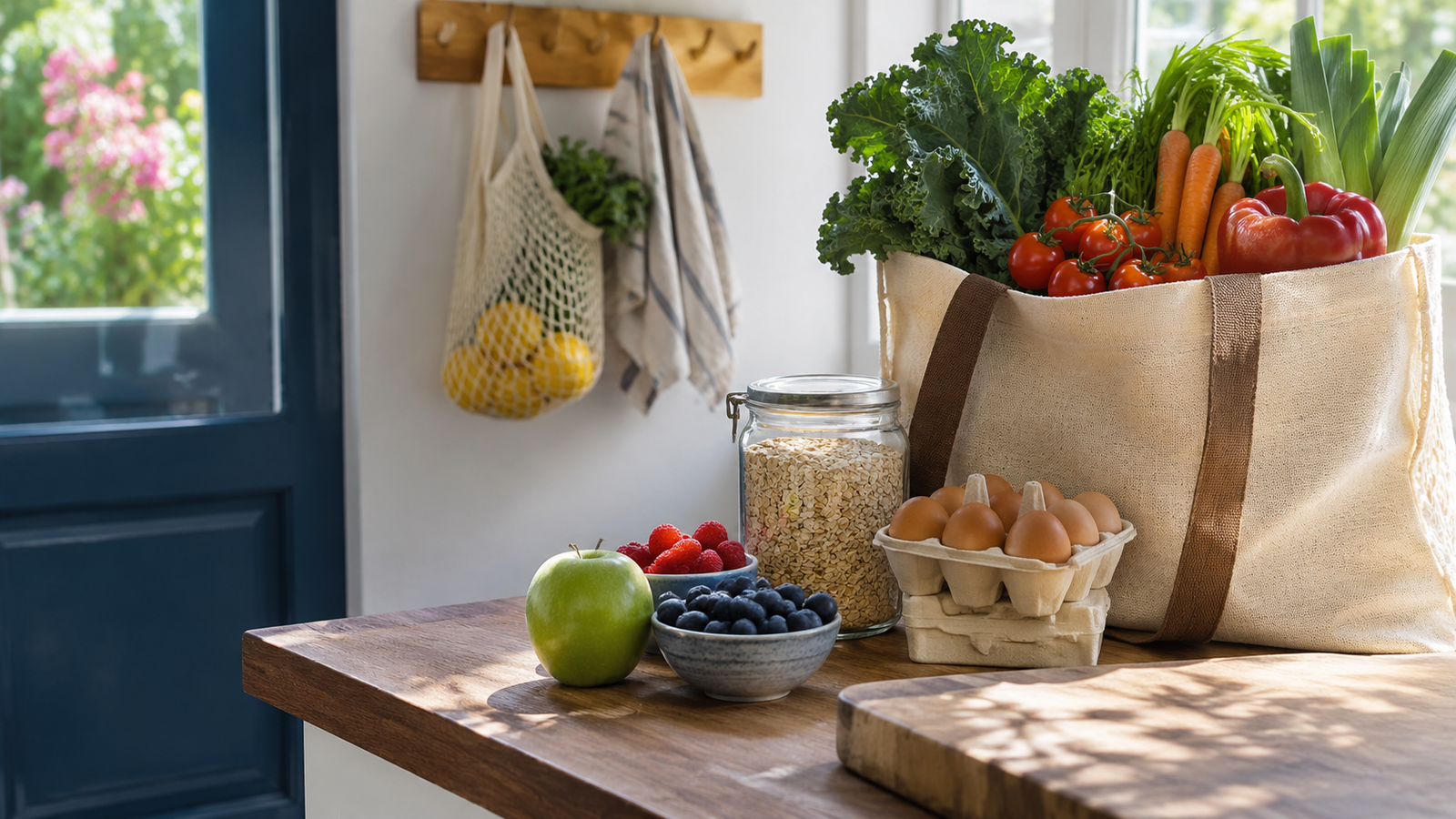
A useful beginner grocery list includes vegetables, fruit, protein-rich foods, high-fiber carbohydrates, some unsaturated fats and drinks you enjoy without relying on sugary beverages. Frozen, canned and budget-friendly options absolutely count.
- Vegetables: carrots, tomatoes, spinach, broccoli, peppers and frozen mixed vegetables.
- Fruit: apples, bananas, oranges and seasonal or frozen berries.
- Protein: eggs, Greek yogurt, chicken, tofu, beans, lentils or canned fish.
- High-fiber carbohydrates: oats, potatoes, brown rice, whole-grain bread or pasta.
- Healthy fats: olive oil, nuts, seeds or avocado when affordable.
- Flavor builders: herbs, spices, garlic, lemon, vinegar and tomato sauce.
You don’t need every item. Choose a few from each group that fit your tastes, budget and household.
A SIMPLE ROUTINE, NOT ANOTHER DIET
Want to Make Your Eating Routine Easier?
Balanced groceries are a great starting point. If you’re also curious about a structured routine combining time-restricted eating with Unimate and Balance, explore our plain-English Feel Great guide. Supplements are optional and don’t replace nutritious meals.
Explore the Feel Great Routine →
Disclosure: We may earn compensation from purchases made through affiliate or distributor links on our Feel Great page.
1. Start With Vegetables You’ll Actually Eat
Vegetables bring variety, fiber and essential nutrients to meals, but you don’t need to force yourself to eat a huge salad every day. Pick two or three vegetables you genuinely like and one easy backup option.
Easy starter picks: carrots for snacking or roasting, tomatoes for sandwiches, broccoli for a side dish, and a bag of frozen mixed vegetables for busy evenings.
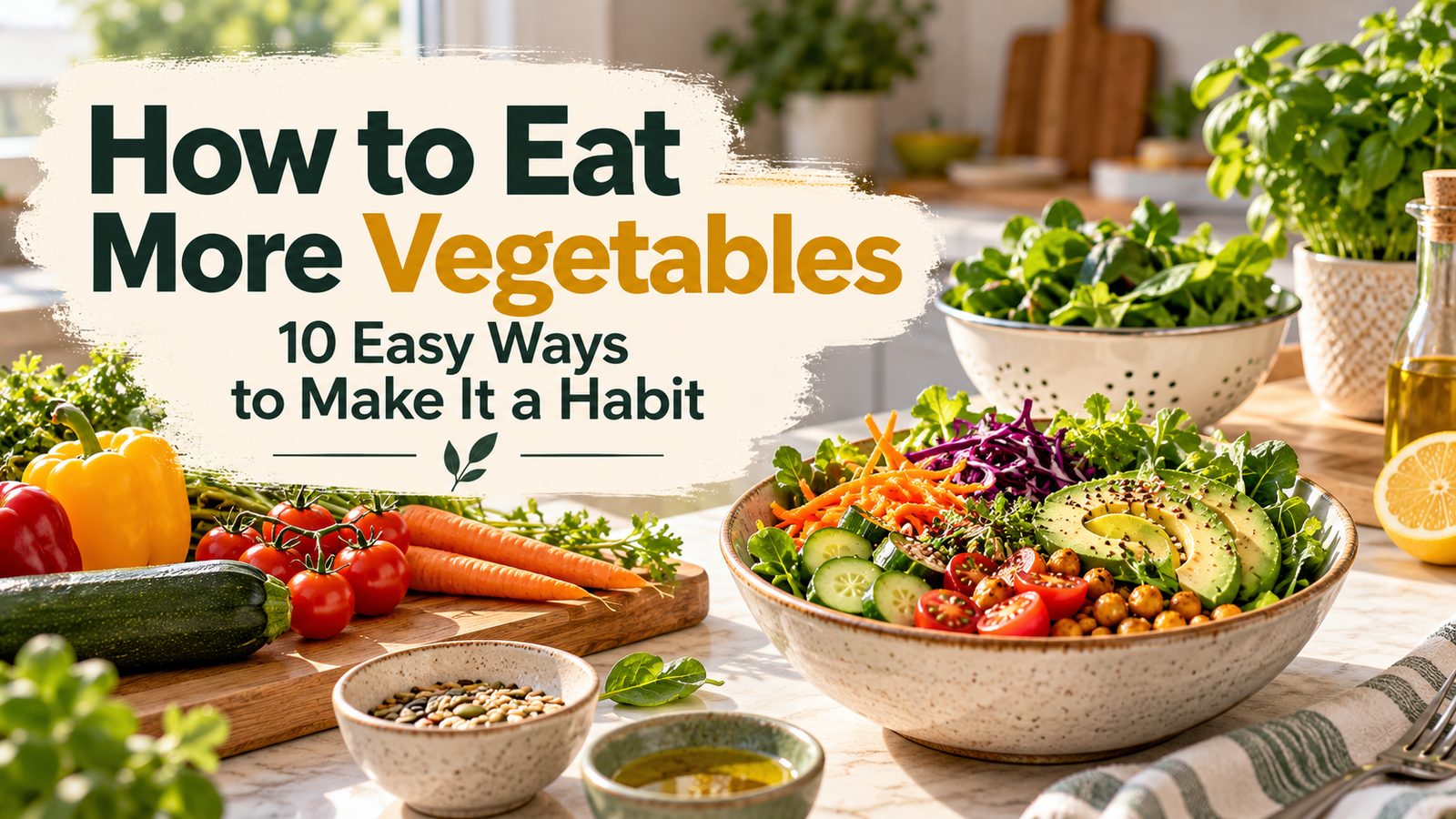
Frozen vegetables can be just as practical as fresh ones and often reduce food waste. Canned vegetables can work too; compare sodium levels if that’s relevant to you. For more ideas, read 10 easy ways to eat more vegetables.
2. Choose Fruit That Fits Your Routine
Fruit is convenient, portable and often requires no preparation. Apples and oranges keep well, bananas are easy to take to work, and frozen berries are handy for oatmeal or yogurt.
Whole fruit is usually more filling than fruit juice because it contains fiber and takes longer to eat. There’s no need to fear fruit because it contains naturally occurring sugar.
3. Keep Two or Three Reliable Protein Sources
Protein contributes to the maintenance of muscle and can help meals feel more satisfying. You don’t need protein powders or expensive cuts of meat to get started.
- Breakfast or quick meals: eggs, plain Greek yogurt or cottage cheese.
- Lunch and dinner: chicken, canned tuna or salmon, tofu, beans and lentils.
- Low-effort backups: canned beans, frozen fish or pre-cooked lentils.
If you eat a plant-based diet, beans, lentils, soy foods and other plant proteins can form the foundation of your meals. See our guide on simple ways to eat more protein.
4. Don’t Forget Carbohydrates
Carbohydrates are not the enemy. Oats, potatoes, rice, bread and pasta can all fit into balanced meals. Whole-grain and higher-fiber choices are useful when you enjoy them, but the goal is an overall eating pattern you can sustain.
For a beginner, a bag of oats, a loaf of whole-grain bread and one rice or pasta option are often enough for several different meals. Add potatoes if they’re a household favorite.
5. Add Fats and Flavor
Olive oil, nuts, seeds and avocado provide unsaturated fats. You only need a few choices, not an entire shelf of specialty products.
And don’t forget flavor: garlic, pepper, paprika, herbs, lemon and vinegar can make basic meals enjoyable. Food that’s technically nutritious but tastes disappointing is unlikely to become a lasting habit.
A Healthy Grocery List for Beginners: One-Week Example
This is a flexible example for one adult for approximately seven days, assuming some pantry staples are already available. Adjust amounts for appetite, household size, dietary needs and how often you eat at home. It is not a prescribed meal plan.
| Category | What to buy |
|---|---|
| Vegetables | 1 bag carrots, 2 peppers, 4 tomatoes, 1 bag frozen broccoli or mixed vegetables, leafy greens |
| Fruit | 4 apples, 4 bananas, 3 oranges, optional frozen berries |
| Protein | 6 eggs, 1 tub plain Greek yogurt, chicken or tofu for 2–3 meals, 2 cans beans or lentils, 1–2 cans fish if eaten |
| Carbohydrates | Oats, whole-grain bread, rice or pasta, potatoes |
| Fats and extras | Olive oil, small pack of nuts or seeds, lemon, garlic, spices |
Budget tip: Check your fridge and pantry before shopping. Buy only the quantities you’ll realistically use. Store brands, seasonal produce, frozen vegetables and dried or canned legumes can help keep costs down.
Five Easy Meals From the Same Groceries
- Oatmeal bowl: oats with yogurt, banana and a few nuts or seeds.
- Egg-and-vegetable toast: eggs, tomatoes or spinach and whole-grain toast.
- Chicken or tofu rice bowl: rice, roasted or frozen vegetables, protein and a simple lemon-olive oil dressing.
- Bean and vegetable pasta: pasta, canned beans, tomato sauce, garlic and vegetables.
- Loaded baked potato: potato topped with beans, yogurt and a side of vegetables.
Notice how the same ingredients appear in multiple meals? That’s intentional. Reusing ingredients is one of the simplest ways to save money and avoid a fridge full of half-used packages.
How to Build a Balanced Meal Without Measuring Everything
A practical visual starting point is to include vegetables or fruit, a protein source, a carbohydrate source and some fat. Portions can vary depending on your needs. You don’t have to weigh every ingredient to begin eating more consistently.
For a fuller explanation, see how to build a balanced plate without complicated rules. If you prefer more structure, our simple meal-planning guide shows how to organize meals without spending hours prepping.
Six Grocery Shopping Mistakes That Make Healthy Eating Harder
- Buying an entirely new diet in one trip. Start with familiar ingredients and one or two improvements.
- Choosing foods because they sound healthy, not because you like them. Food you won’t eat is wasted money.
- Forgetting quick backup meals. Frozen vegetables, eggs and canned beans can rescue a busy evening.
- Shopping without checking what you already own. Use up perishables before buying more.
- Assuming fresh is always better. Frozen and canned options can be nutritious and convenient.
- Trying to be perfect. A grocery list is a tool, not a test of discipline.
What About Intermittent Fasting?
If you practice intermittent fasting, your grocery list doesn’t need to change dramatically. What matters is that the meals you eat during your eating window provide adequate energy and nutrition. Simply skipping breakfast doesn’t automatically make a diet balanced.
Our beginner’s guide to intermittent fasting explains eating windows, while what to eat after a fast covers practical first-meal ideas.
If you’re pregnant, breastfeeding, under 18, have a history of disordered eating, diabetes or take medication that affects blood glucose, seek individualized professional advice before starting a fasting routine.
Frequently Asked Questions
What are the best healthy foods to buy on a budget?
Oats, eggs, dried or canned beans, lentils, potatoes, seasonal fruit and frozen vegetables are useful starting points. Prices vary by location, so compare unit prices and choose what you will actually use.
Do I need to buy organic food to eat healthily?
No. Conventional produce, frozen vegetables and canned fruit or vegetables can all contribute to a nutritious eating pattern. Wash fresh produce appropriately and prioritize variety and affordability.
Can I still eat bread, rice or pasta?
Yes. These foods can fit into balanced meals. Where practical, choose higher-fiber versions and pair them with protein and vegetables.
How much should I spend on a healthy grocery list?
There is no universal amount. Costs depend on local prices, household size and dietary preferences. Planning around ingredients you already own, store brands and foods used in several meals often helps.
Is this a grocery list for weight loss?
It can support a weight-management routine, but buying certain foods doesn’t guarantee weight loss. Overall energy intake, portions, activity, sleep and individual health factors still matter. For context, read calorie deficit vs intermittent fasting.
Start Small and Keep It Repeatable
You don’t need a perfect fridge or a complicated meal plan. Pick a few vegetables, fruit you’ll eat, reliable protein, satisfying carbohydrates and a couple of simple flavor boosters. Build three to five meals from those ingredients and repeat what works.
That’s the real purpose of a healthy grocery list for beginners: to make your next ordinary meal a little easier, not to turn shopping into another stressful project.
Want more simple routines? Explore our Feel Great overview or keep browsing practical guides on Routine Made Simple.
Educational information only. This article does not provide individualized medical or nutritional advice.