Intermittent fasting mistakes can turn a simple eating schedule into something that feels unnecessarily difficult.
You decide to try a 16:8 routine. You choose an eating window, skip your usual breakfast, and expect things to become easier after a few days.
But then you’re constantly hungry, thinking about your next meal, or struggling to fit fasting around work and family life.
Does that mean intermittent fasting isn’t for you?
Not necessarily. Sometimes the problem isn’t the idea of fasting. It’s how you’re trying to make it work.
Let’s look at nine common mistakes and what you can do differently.
Want a Simpler Daily Routine?
If you’re exploring intermittent fasting, you may also be interested in how Unicity Feel Great combines Unimate and Balance with everyday habits.
Our guide explains the routine, the products, and what to consider before deciding whether they’re right for you.
1. Starting With a Fasting Window That’s Too Long
One of the most common intermittent fasting mistakes is trying to do too much immediately.
You hear about 16:8, 18:6, or even one meal a day and assume that a longer fasting period must produce better results.
But longer doesn’t automatically mean better.
If you’re new to fasting, jumping straight into a restrictive schedule can leave you tired, distracted, or unusually hungry.
Try this instead: Start with a comfortable overnight break between dinner and breakfast. If fasting is appropriate for you, consider adjusting gradually based on how you feel and whether the schedule fits your life.
For a beginner-friendly explanation, read how to start intermittent fasting.
2. Eating Too Little During Your Eating Window
Intermittent fasting changes when you eat. It doesn’t remove your body’s need for adequate nutrition.
Some people shorten their eating window and unintentionally eat too little.
Others deliberately restrict food because they believe being hungry means the plan is working.
Neither approach is necessary for a sustainable routine.
Your meals still need to provide sufficient energy and nutrients for your individual needs.
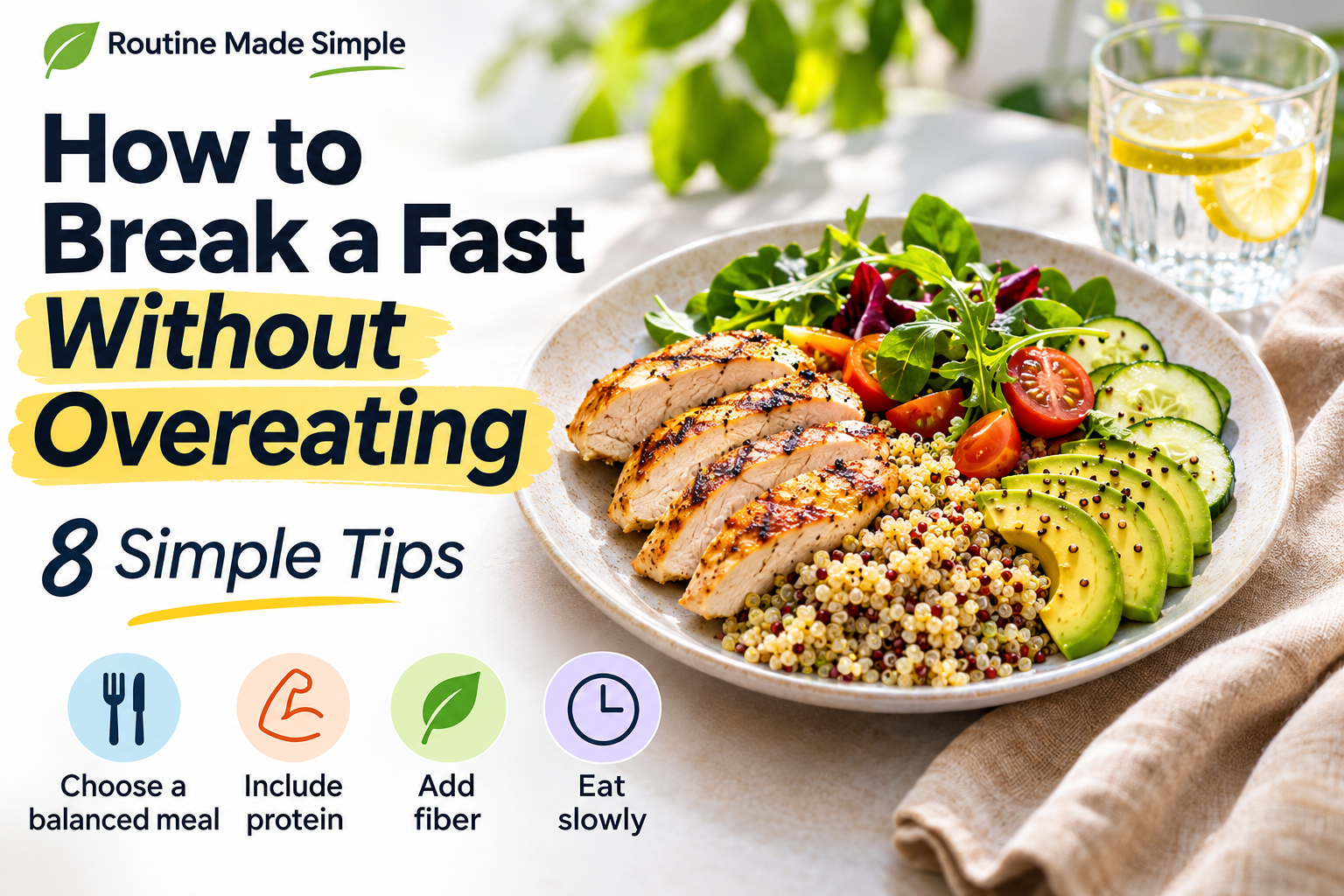
Try this instead: Build balanced meals that include protein, fiber-rich foods, carbohydrates, and appropriate sources of fat.
If you’re unsure what to eat after fasting, see our guide to what to eat after a fast.
3. Ignoring Protein and Fiber
It’s possible to follow your fasting schedule perfectly while still eating meals that leave you unsatisfied.
For example, a small pastry and coffee might fit inside your eating window, but they may not provide the same lasting satisfaction as a balanced meal.
Protein and fiber can help make meals more filling, although individual responses vary.
Useful options include:
- Eggs, fish, poultry, tofu, or beans
- Greek yogurt or other protein-rich dairy foods
- Vegetables and fruit
- Whole grains
- Lentils, chickpeas, and other legumes
For more information, see our guides on how to eat more protein and getting enough fiber.
You can also learn more about fiber from MedlinePlus.
4. Assuming Fasting Automatically Causes Weight Loss
This is one of the most important intermittent fasting mistakes to understand.
A shorter eating window doesn’t automatically mean you’ll consume fewer calories.
If your total energy intake remains higher than your body needs, simply changing meal timing may not lead to weight loss.
Intermittent fasting can help some people reduce unplanned eating or create a more predictable routine. But it isn’t a guarantee.
Try this instead: Focus on your overall eating pattern, portions, food quality, and habits rather than treating the fasting clock as the only thing that matters.
We explain the difference in calorie deficit vs intermittent fasting.
5. Choosing an Eating Window That Doesn’t Fit Your Life
Maybe someone online says the best schedule is eating from 8 AM to 4 PM.
But you work late and normally have dinner with your family at 7 PM.
Trying to force yourself into someone else’s schedule can create unnecessary frustration.
An earlier eating window may offer certain metabolic advantages, but practical factors such as work, sleep, family meals, and consistency matter too.
Try this instead: Choose a schedule you can maintain without constantly rearranging your life.
Read our comparison of intermittent fasting in the morning vs evening to explore the differences.
6. Treating One Unplanned Meal as Failure
Imagine you’ve been following your routine all week.
Then Saturday arrives, friends invite you to dinner, and you eat outside your usual window.
Does that mean you’ve failed?
No.
One change of plans doesn’t erase your previous efforts.
What matters more is whether your overall routine remains practical and balanced.
Try this instead: Return to your usual schedule when it makes sense, without compensating through extreme restriction.
Our guide to intermittent fasting on weekends explores how to handle this flexibility.
7. Overlooking Sleep and Stress
If you’re sleeping poorly or dealing with ongoing stress, maintaining any eating routine may feel harder.
Sleep and stress can influence appetite, food choices, and how you feel throughout the day.
Changing your eating window won’t automatically solve those problems.
Try this instead: Protect your sleep schedule, build a realistic evening routine, and avoid adding unnecessary pressure to an already busy day.
For ideas, explore our healthy evening routine guide.
8. Ignoring How Your Body Responds
Not everyone responds to intermittent fasting in the same way.
Some people find a structured eating window convenient. Others experience persistent hunger, headaches, irritability, or difficulty concentrating.
Those symptoms shouldn’t automatically be dismissed as something you must push through.
Try this instead: Pay attention to your energy, concentration, mood, and overall well-being.
If you feel unwell, reconsider the approach and seek medical advice when appropriate.
People who are pregnant or breastfeeding, have a history of eating disorders, or have conditions or medications affected by meal timing should seek professional guidance before fasting.
9. Expecting Intermittent Fasting to Fix Everything
Intermittent fasting can be a useful structure, but it’s still only one part of your lifestyle.
It doesn’t replace balanced nutrition, regular movement, adequate sleep, or attention to your overall health.
And it doesn’t mean every day has to follow exactly the same schedule.
Try this instead: Think of intermittent fasting as an optional tool, not a complete weight-loss strategy.
If the routine makes your day simpler and supports your health goals, it may be worth continuing.
If it creates constant stress, there are other ways to build healthy eating habits.
Build a Routine You Can Actually Maintain
Some people prefer combining a defined eating schedule with other consistent wellness habits.
Unicity Feel Great is one optional approach built around Unimate and Balance. These products aren’t necessary for intermittent fasting and don’t guarantee weight loss.
If you’re curious, our guide explains the routine and important considerations before purchasing.
How to Avoid Common Intermittent Fasting Mistakes
You don’t need a complicated plan to make your routine more practical.
Start with these basic principles:
- Choose a fasting schedule that fits your life.
- Eat enough to meet your nutritional needs.
- Include protein and fiber-rich foods in your meals.
- Stay appropriately hydrated.
- Allow flexibility when plans change.
- Pay attention to your energy and well-being.
- Remember that consistency matters more than perfection.
The best routine isn’t necessarily the one with the longest fasting window.
It’s the one that supports your goals without making everyday life unnecessarily difficult.
Frequently Asked Questions
What are the most common intermittent fasting mistakes?
Common mistakes include starting with an overly long fasting window, eating too little, neglecting protein and fiber, choosing an impractical schedule, and assuming fasting alone guarantees weight loss.
Is 16:8 intermittent fasting good for beginners?
Some beginners find 16:8 manageable, but others prefer starting with a shorter overnight fasting period. The appropriate approach depends on individual health, nutritional needs, and lifestyle.
Can I lose weight with intermittent fasting if I eat normally?
Possibly, but weight loss generally requires an appropriate calorie deficit over time. Intermittent fasting alone doesn’t guarantee that your energy intake will decrease.
Does breaking my fasting schedule ruin my progress?
No. An occasional change in meal timing doesn’t erase your previous habits. Focus on your overall pattern rather than treating each day as a pass-or-fail test.
Should I continue intermittent fasting if I’m constantly hungry?
Persistent hunger may indicate that your eating window, food intake, or overall approach needs adjustment. If symptoms continue or affect your well-being, seek guidance from a qualified healthcare professional.
The Bottom Line
Most intermittent fasting mistakes come from making the routine more restrictive or complicated than it needs to be.
You don’t need to fast for the longest possible time, follow someone else’s schedule, or treat every unplanned meal as a failure.
Instead, focus on balanced nutrition, a realistic eating window, and habits that fit your actual life.
Intermittent fasting should make your routine easier to manage, not become another source of stress.
Ready for a Simpler Starting Point?
Our free 7-day guide can help you explore a practical 16:8 routine without trying to change everything overnight.
Affiliate disclosure: Routine Made Simple may earn a commission or receive sales credit from qualifying purchases made through affiliate links, at no additional cost to you.
Health note: This article is for general educational purposes and isn’t individualized medical or nutritional advice. Intermittent fasting is not appropriate for everyone. Consult a qualified healthcare professional before making significant dietary changes if you have a medical condition, take medication affected by food timing, are pregnant or breastfeeding, or have a history of disordered eating.